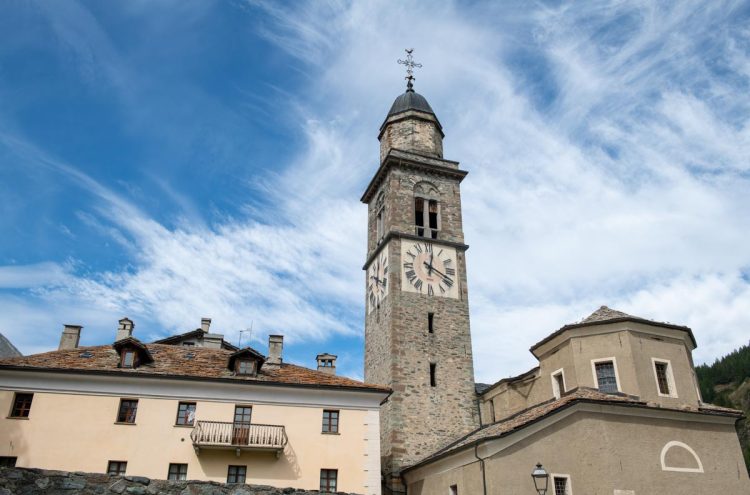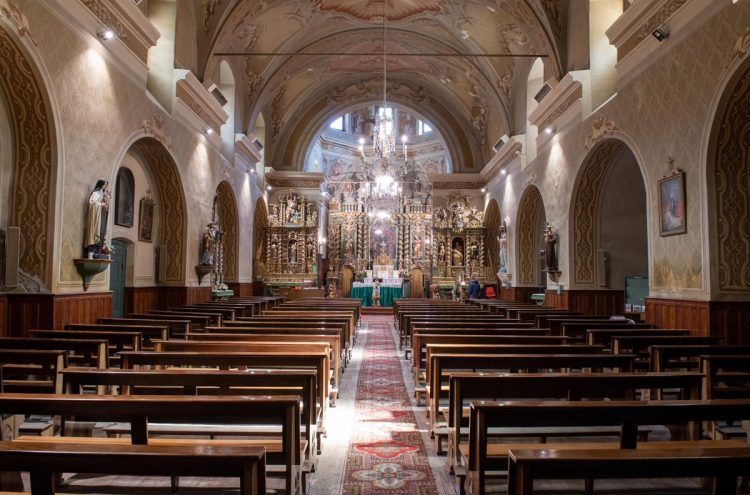
Sant’Orso Parish Church
Art in paradise

Virtual guides › Art in paradise

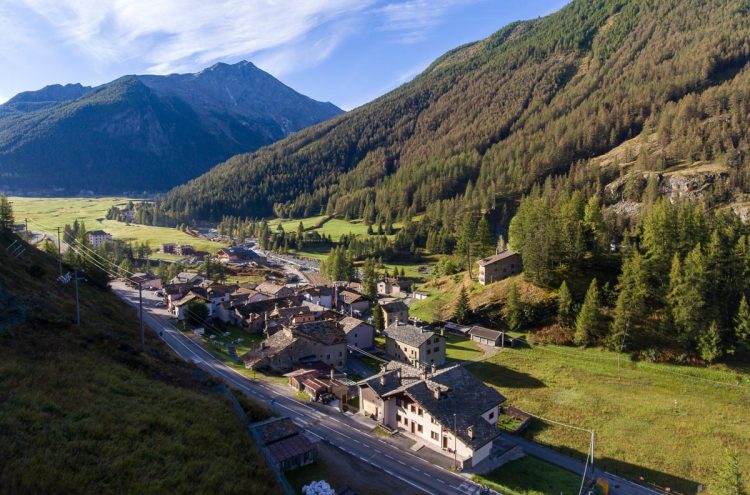
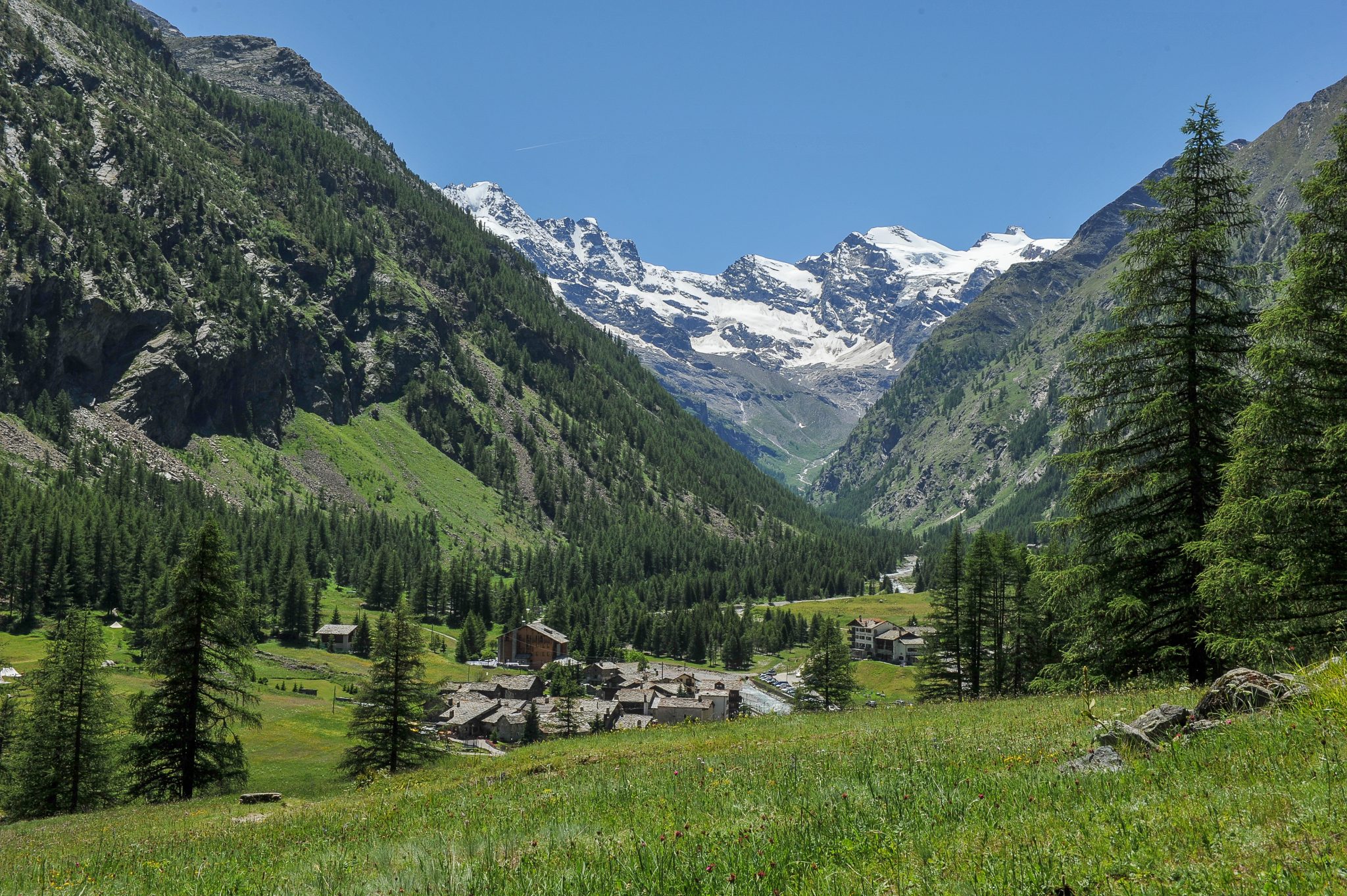
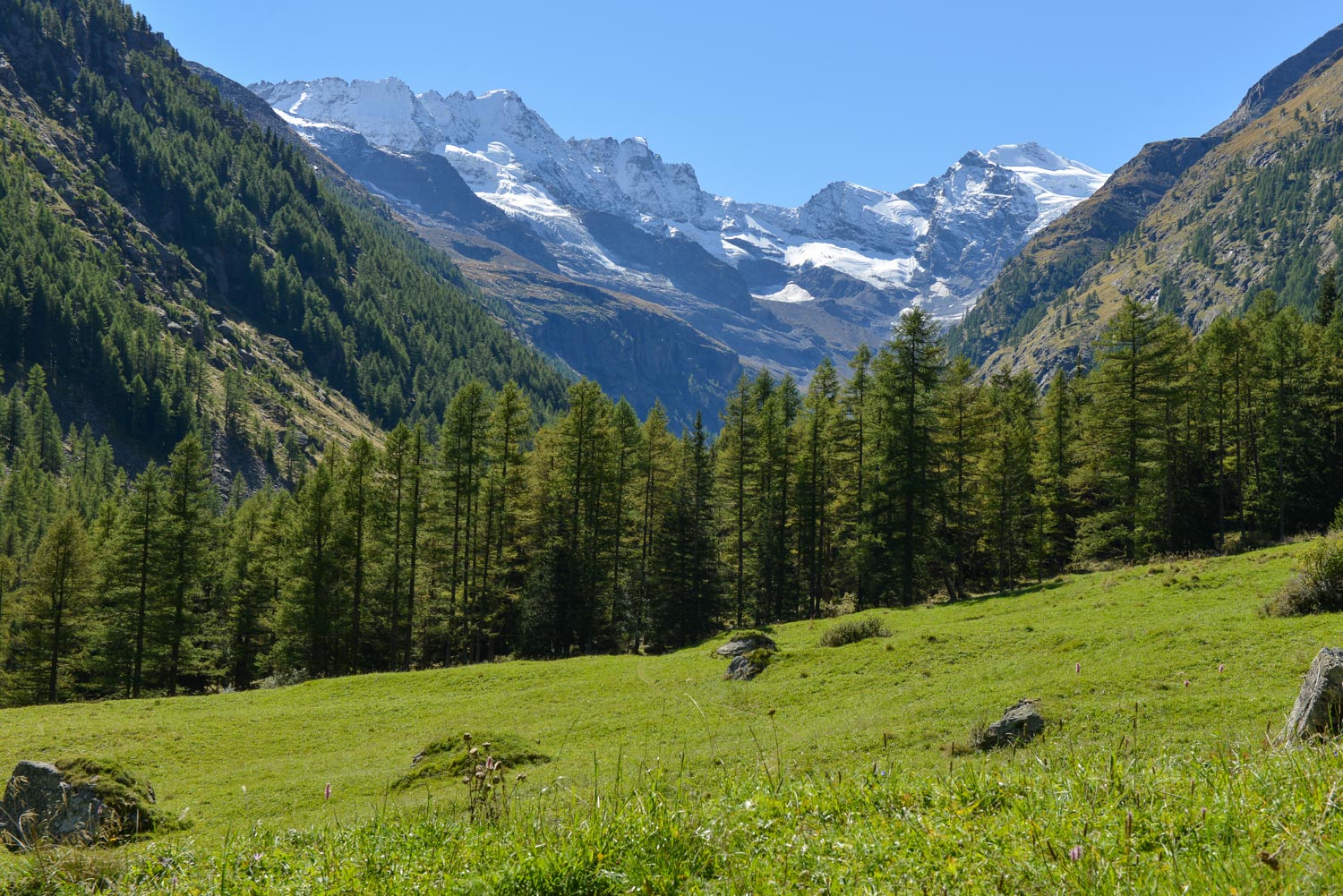
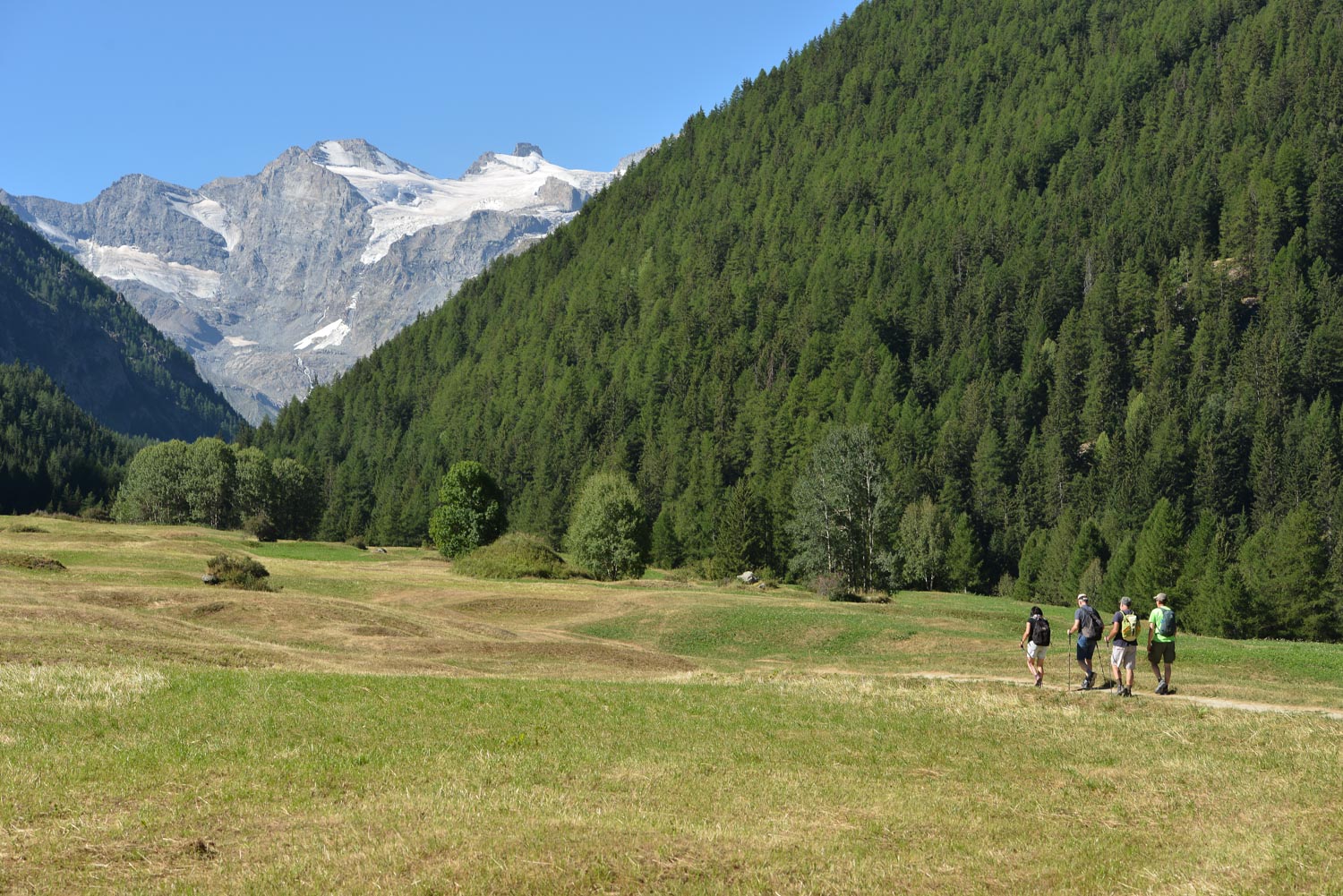
In the Middle Ages, Valnontey was home to a population scattered along the valley, who adapted to its morphology and climate to exploit the pastures. The name "Valle Narteis" appears as early as 1202, marking an ancient history.
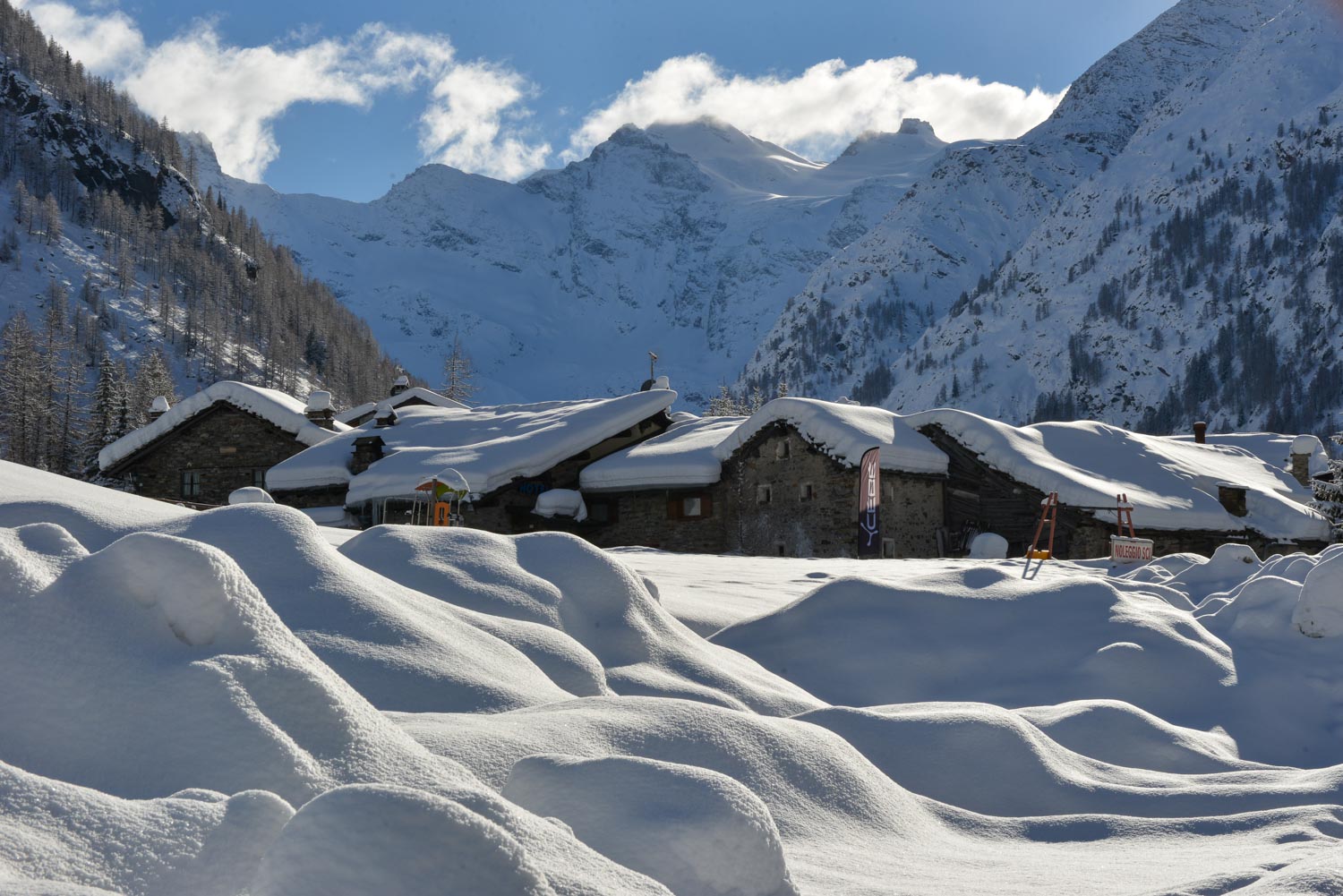
Over time, the small villages permanently concentrated in the village of Valnontey. Even today, traces of the ancient irrigation system and the communal oven, which operated until 1945, are still visible. As a rural community with a school and a chapel dating back to 1657, it has become a tourist centre, thanks to its location in the Gran Paradiso National Park. In fact, with the establishment of the park in 1922, accommodation facilities and the Paradisia botanical garden appeared in Valnontey in 1955.
At the end of the long Valnontey valley, at the foot of the glaciers of Gran Paradiso, was the village of Erfolet, first mentioned in 1202. Folk legends tell of its disappearance in 1680 due to floods. Other clues suggest that it was already abandoned in the 13th century, perhaps due to a sudden climate change that caused heavy rains and landslides. The lack of the names of the families mentioned until then in that area in the documents after 1202 and geomorphological changes seem to confirm the possibility of a natural disaster. Valnontey today is a symbol of resilience and adaptation, celebrating an intertwined history of reality and legend under the majesty of the Gran Paradiso, the only four-thousander entirely in Italy.
Photo gallery
Video,
Valnontey