Music and Traditions
Art in paradise

Virtual guides › Art in paradise

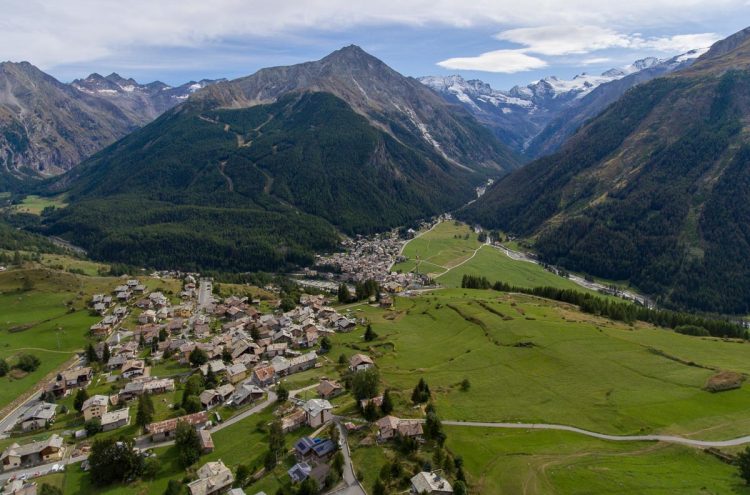
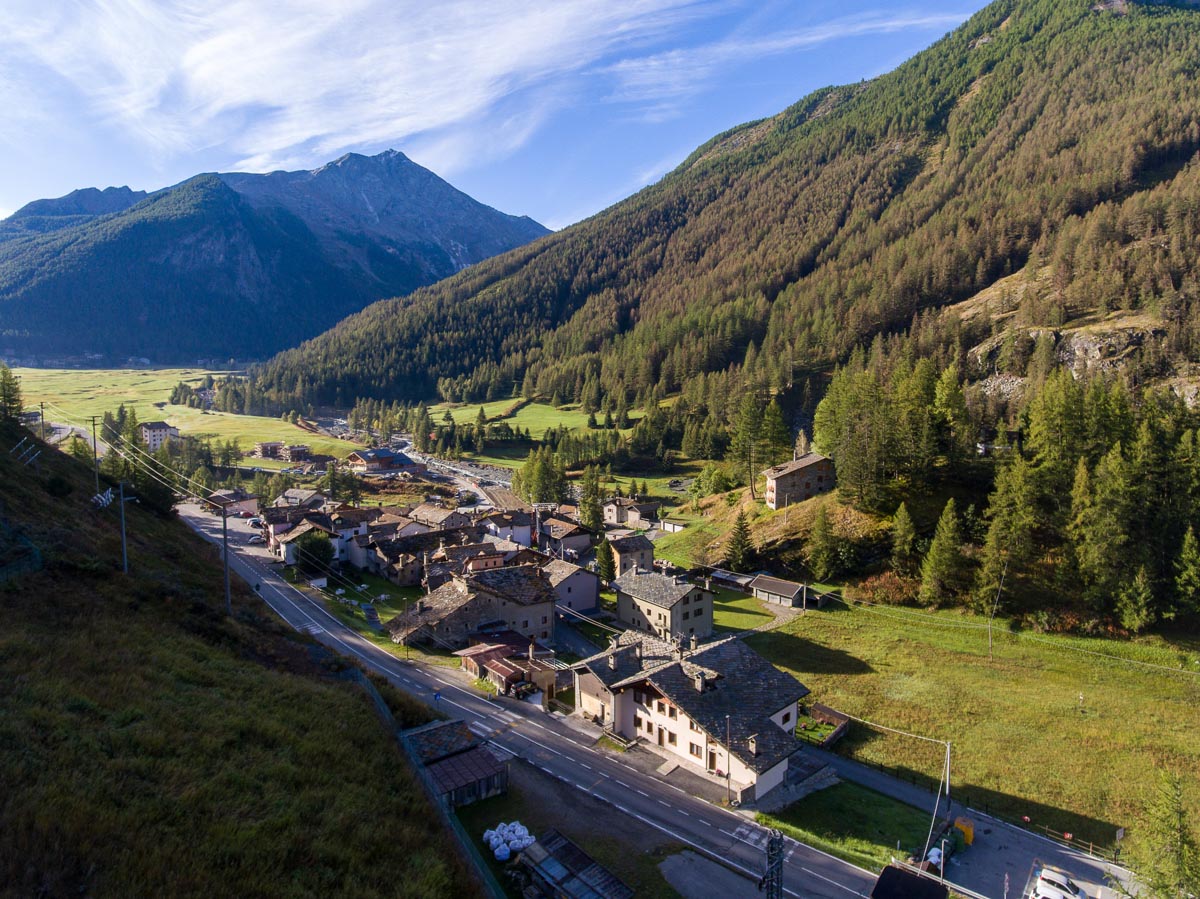
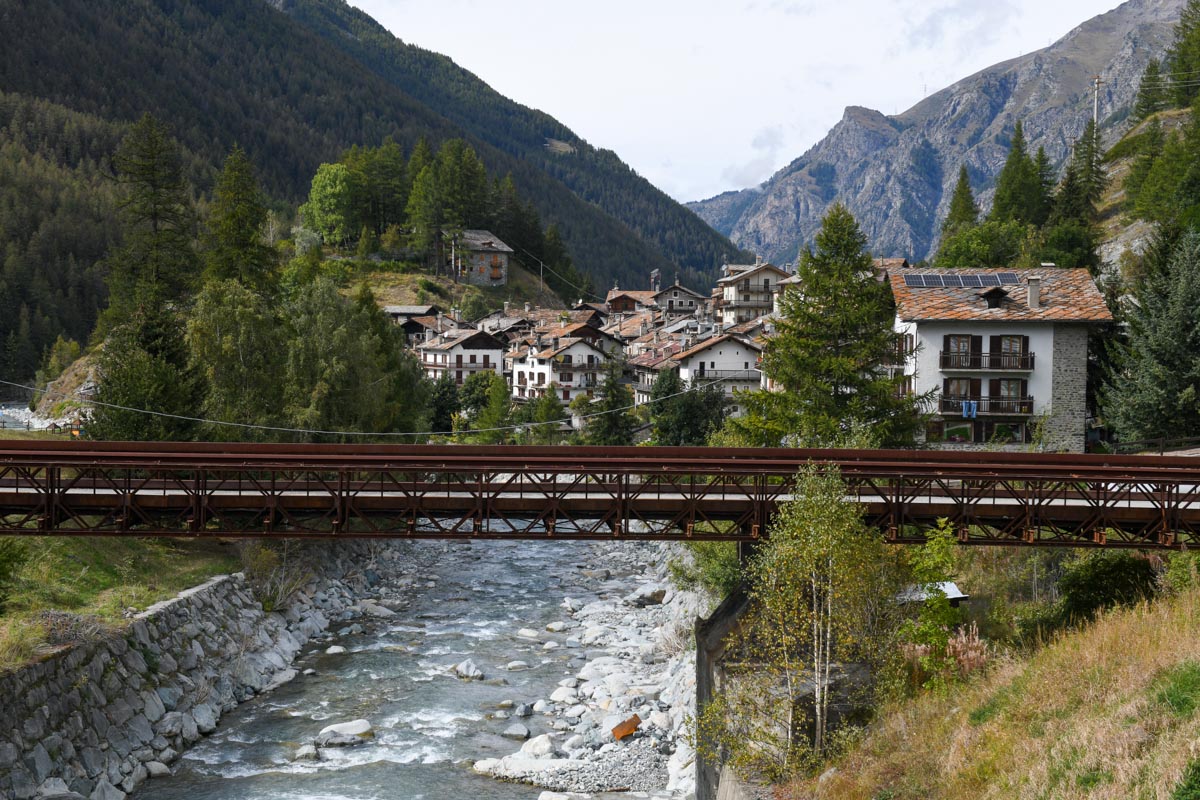
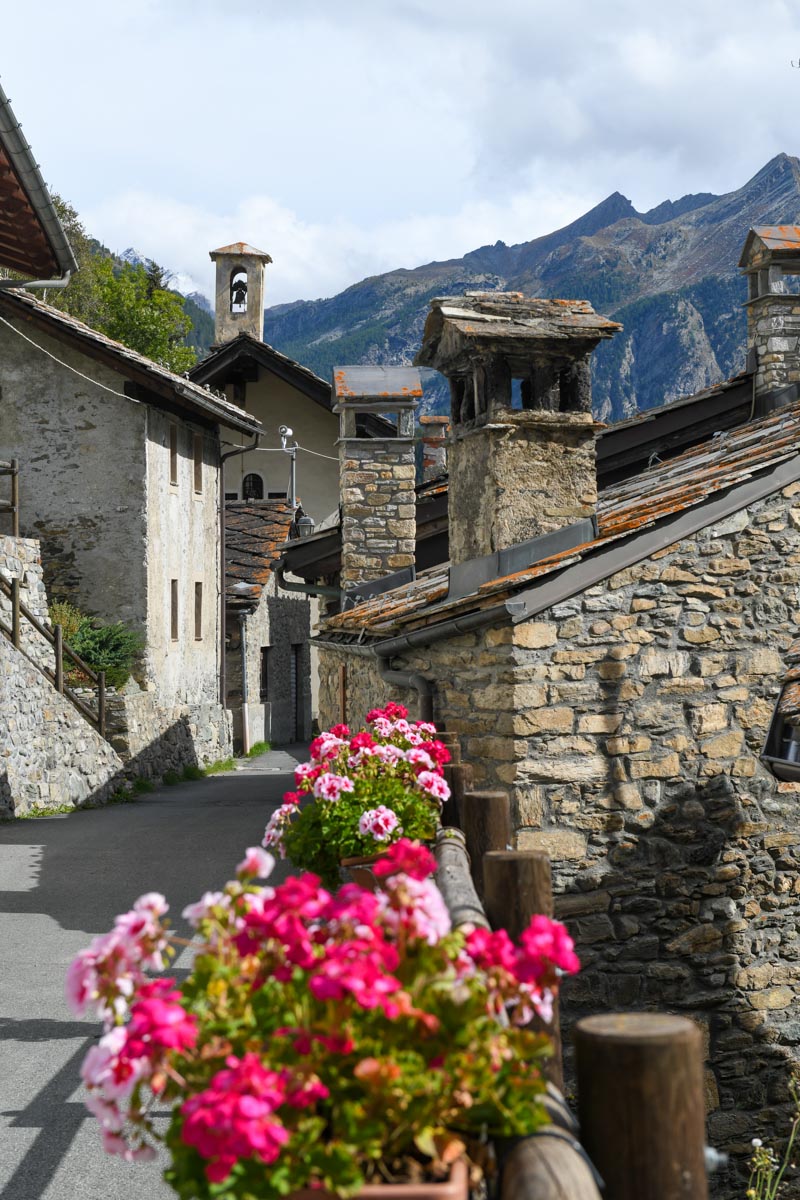
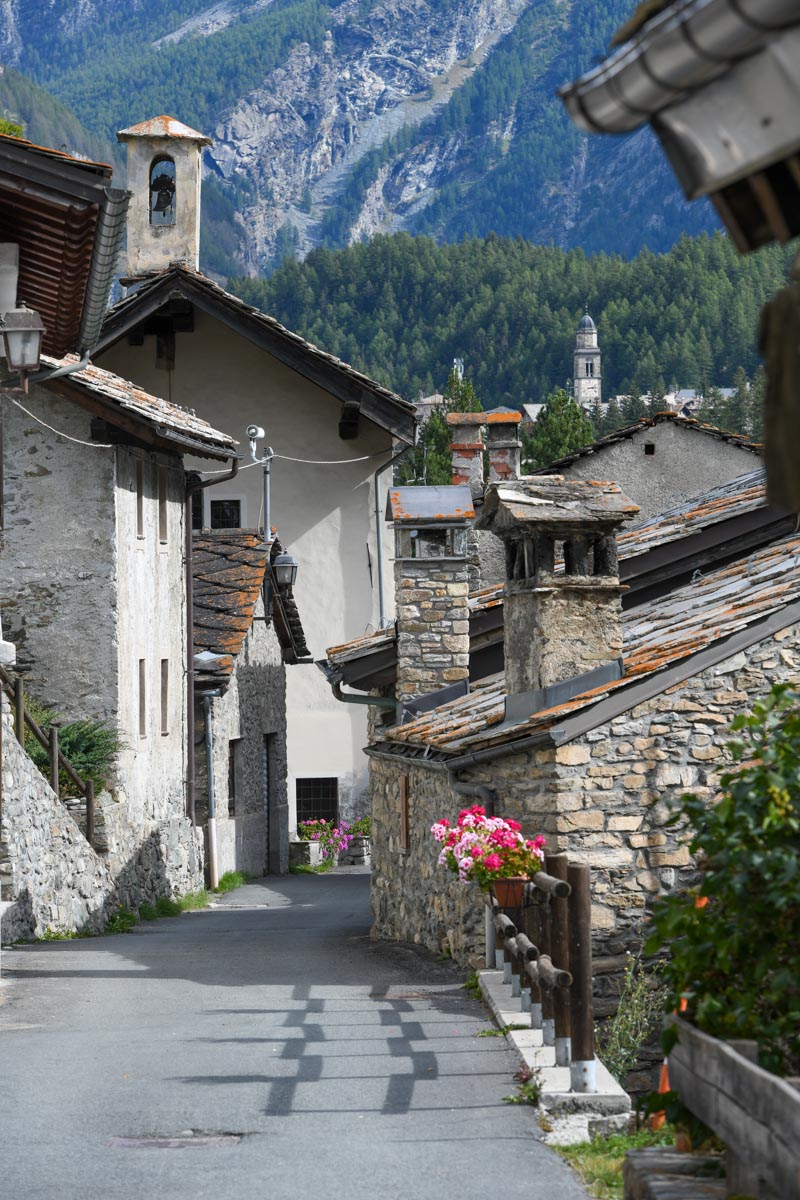
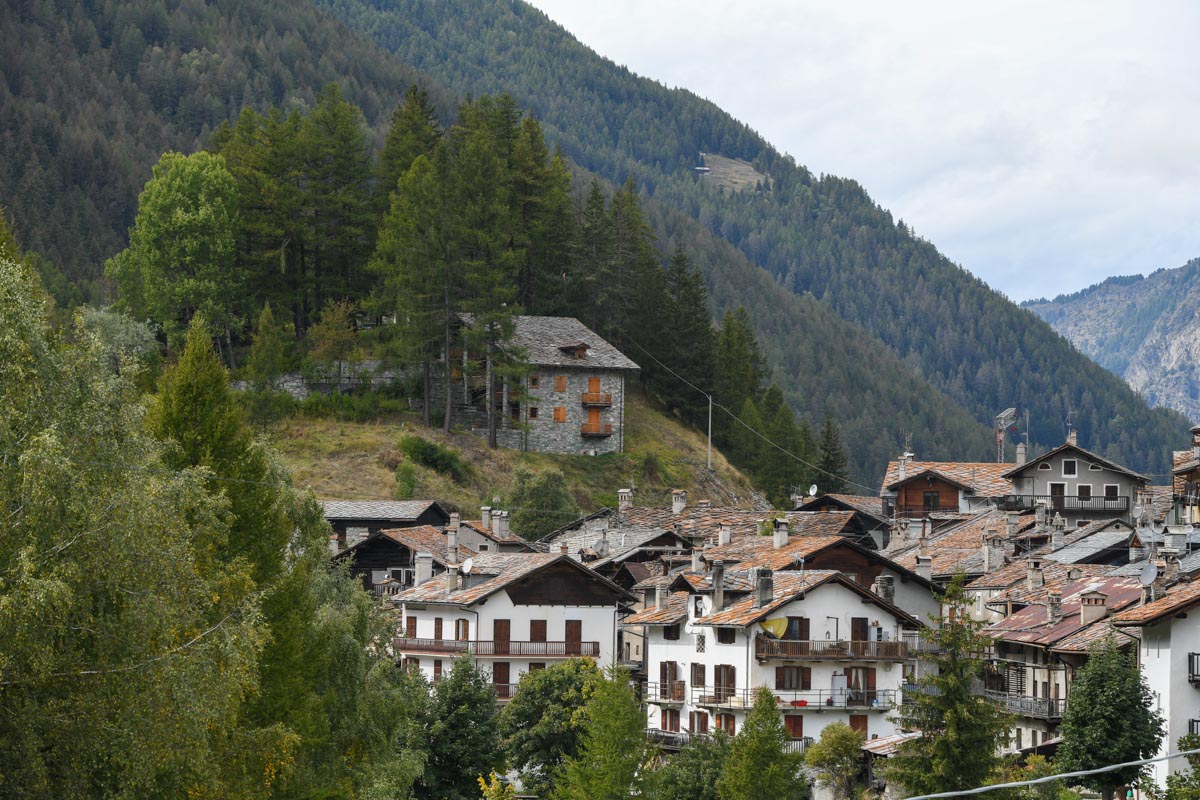
Located at an altitude of 1,499 metres, Crétaz rises at the point where the Urtier and Valnontey rivers meet to form the Grand-Eyvia mountain stream. Documented as early as 1202 as "grista", the village takes its name from a wooded ridge overlooking the hamlet.
In the past, Crétaz flourished thanks to agriculture and farming. In the 17th century, near the Urtier stream, the "Ronchessant" forge was built to melt magnetite from the Cogne mine. This structure was destroyed by a flood in 1640. In 1846, the "fabrique du désert" was built, probably so-called because of its isolated position on the edge of the large Sant'Orso Meadow. The structure, which operated until 1822, was demolished in 1838.
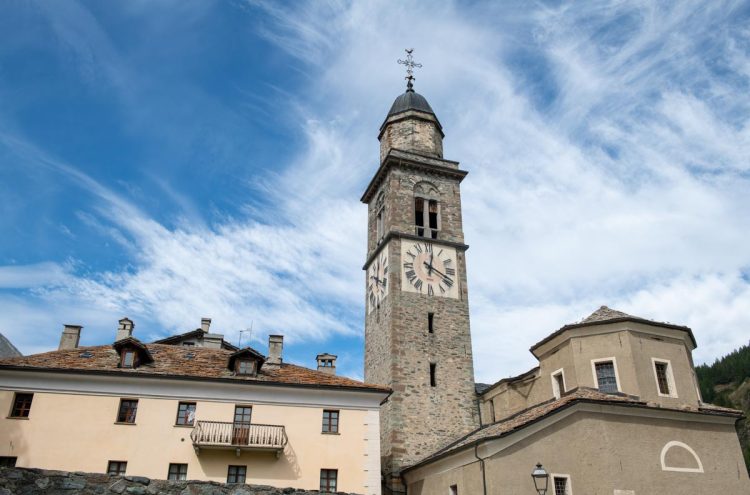
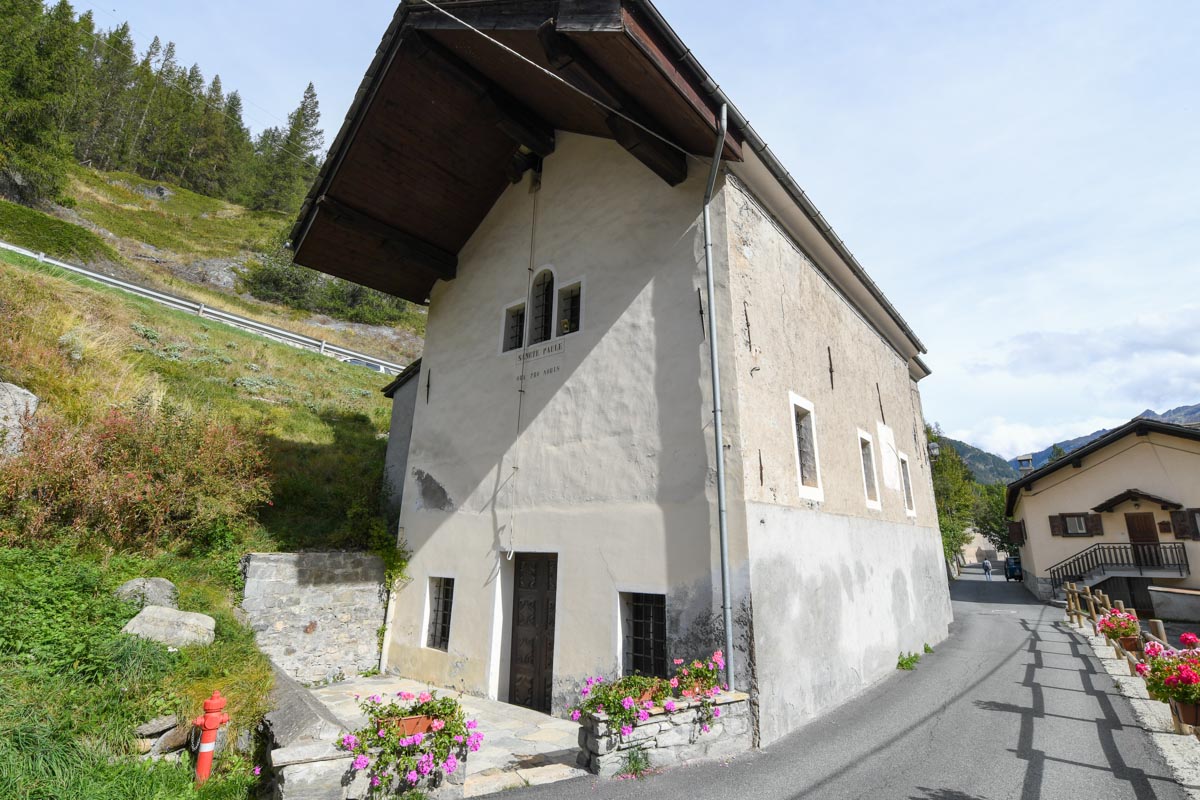
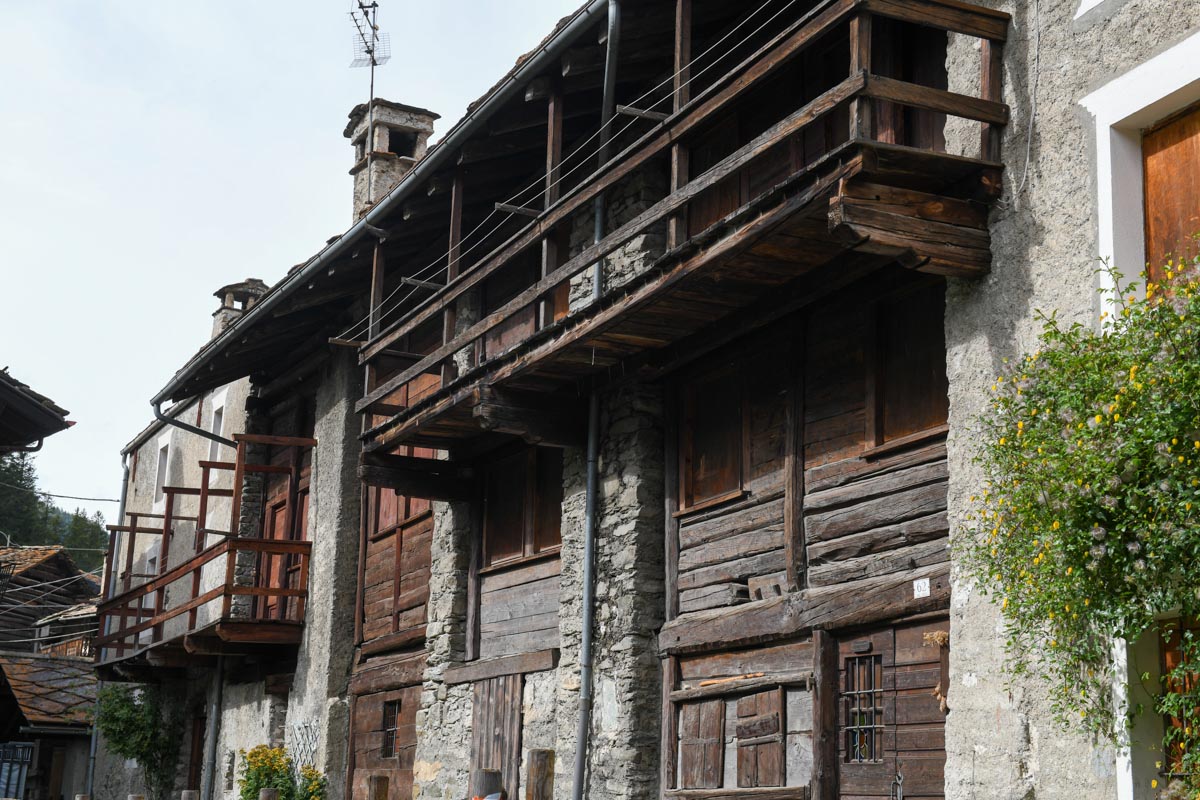
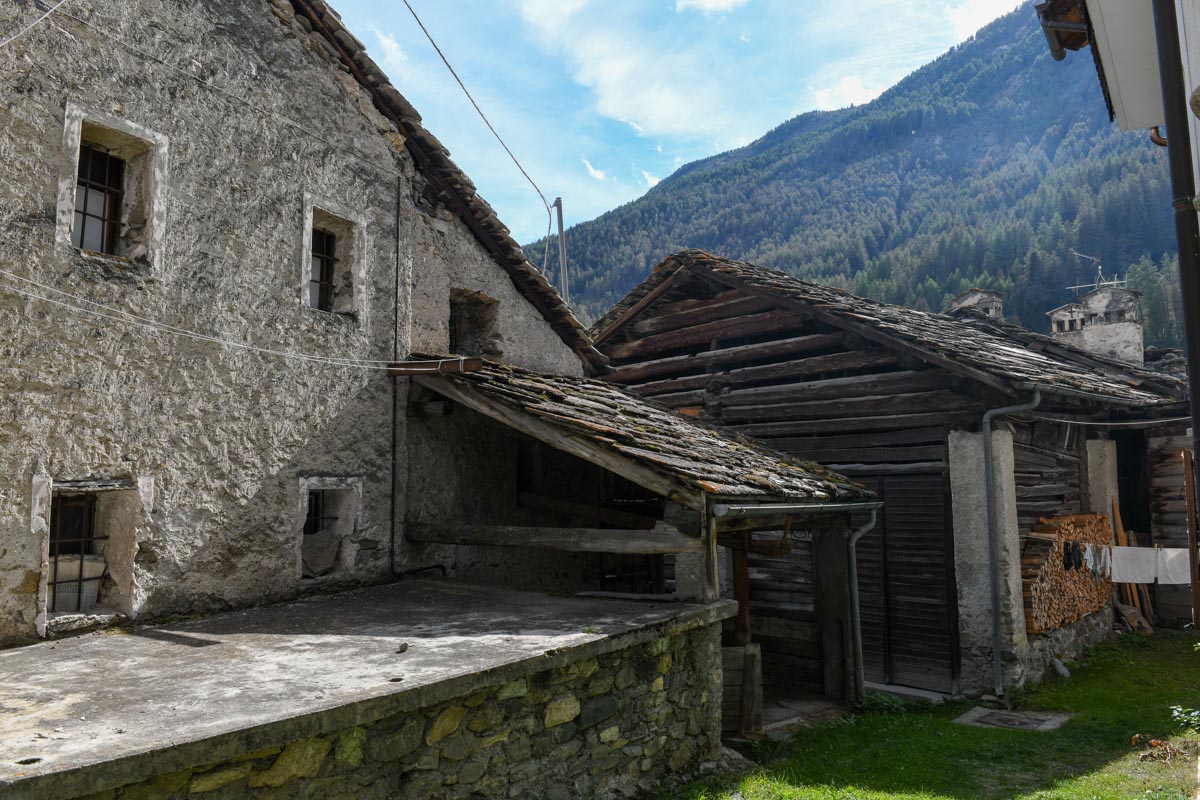
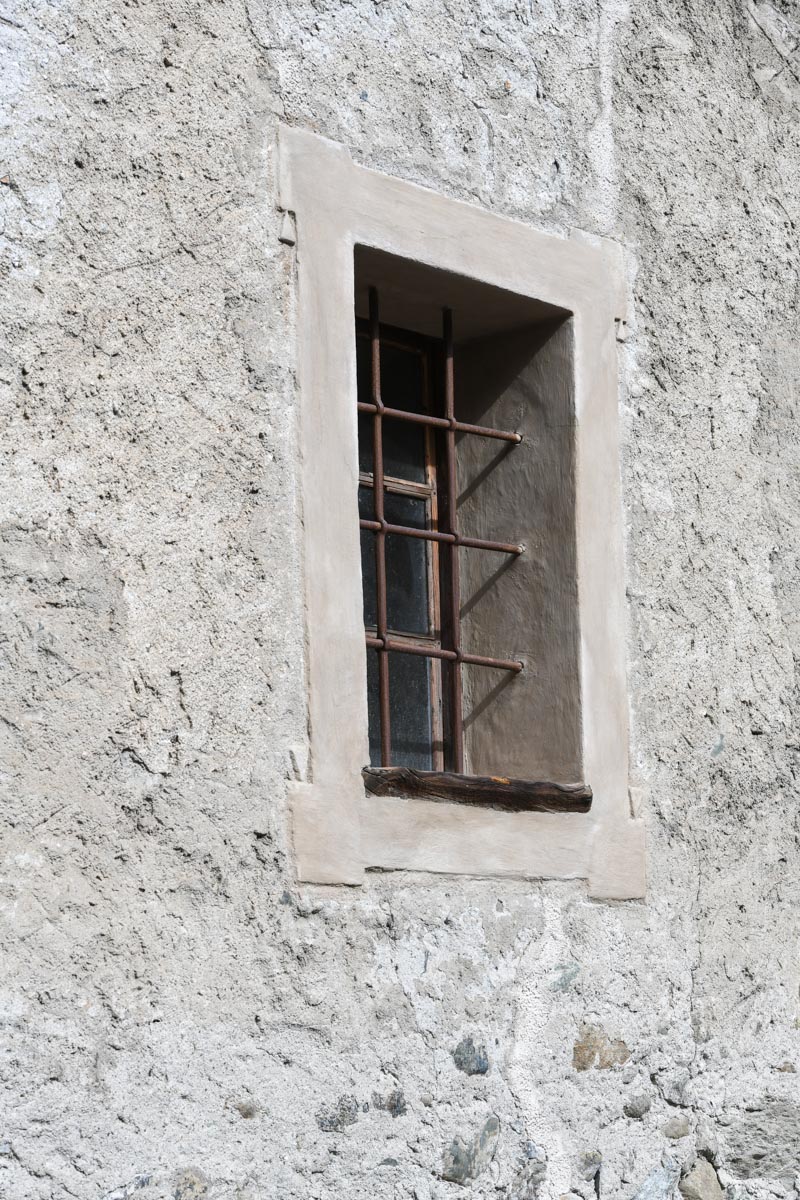
Today, activities have changed radically compared to the past. Trees took up spaces previously cultivated with cereals. Once, the "ru des ors," an irrigation canal, supported agricultural activities and remained active until the beginning of the 21st century. The presence of a mill, mentioned in an act of 1681, bears witness to the local history. In the heart of the village, the chapel dedicated to the Conversion of St. Paul in 1657 is still there, together with the buildings that housed the school and the community oven, evidence of past autarky. The history of Crétaz is still well told today through its centuries-old houses, some of the 17th century and others, such as the house of Anselme-Bienvenue Buttier, renovated in 1856, characterized by distinctive architecture.
Photo gallery
Video,
Crétaz