Let’s start to climb to the summit of Montseuc
Nature trail

Virtual guides › Nature trail

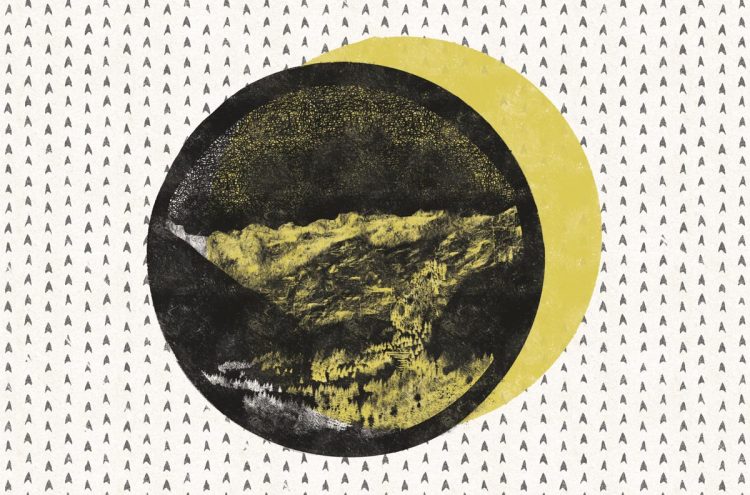
Now, a little geomorphology to recognize the transformations of the earth's crust. I am the soul of the glacier that, thousands of years ago, occupied and shaped the basin of the north side of Punta Fenilla right in front of you. You are looking at a rock glacier, a precious periglacial shape reminiscent of a huge armchair: rocky backrest and armrests, large blocks of an ancient landslide as the floor, and then a tongue of small debris, all accompanied by ice stuck between the rocks. Alteration processes of what you see have been caused by frost, and from recent studies, we know it to be an important reservoir of fresh water due to the melting of the deep ice that feeds a constant flow downstream.
Let's move on to the green stones. Have you seen them while hiking? Notice that they are of volcanic origin and lay at the bottom of the ancient ocean that separated Europe from Africa. When the earth's crust began to push and form the Alps, the green stones passed from the bottom of the sea to the top of the mountains. With them, there are also clear and friable rocks called calcschists, which originated on the seabed due to the overlapping of clay and limestone sediments.
Let me tell you one last thing: if you look at the outcrop of calcschists, rich in calcium carbonate, you will notice that they have selected a flora called calcicola, suitable for this type of soil of which the mountain avens is an excellent example. Nothing happens by chance!