A Panoramic Look at the Mines
Art in paradise

Virtual guides › Art in paradise

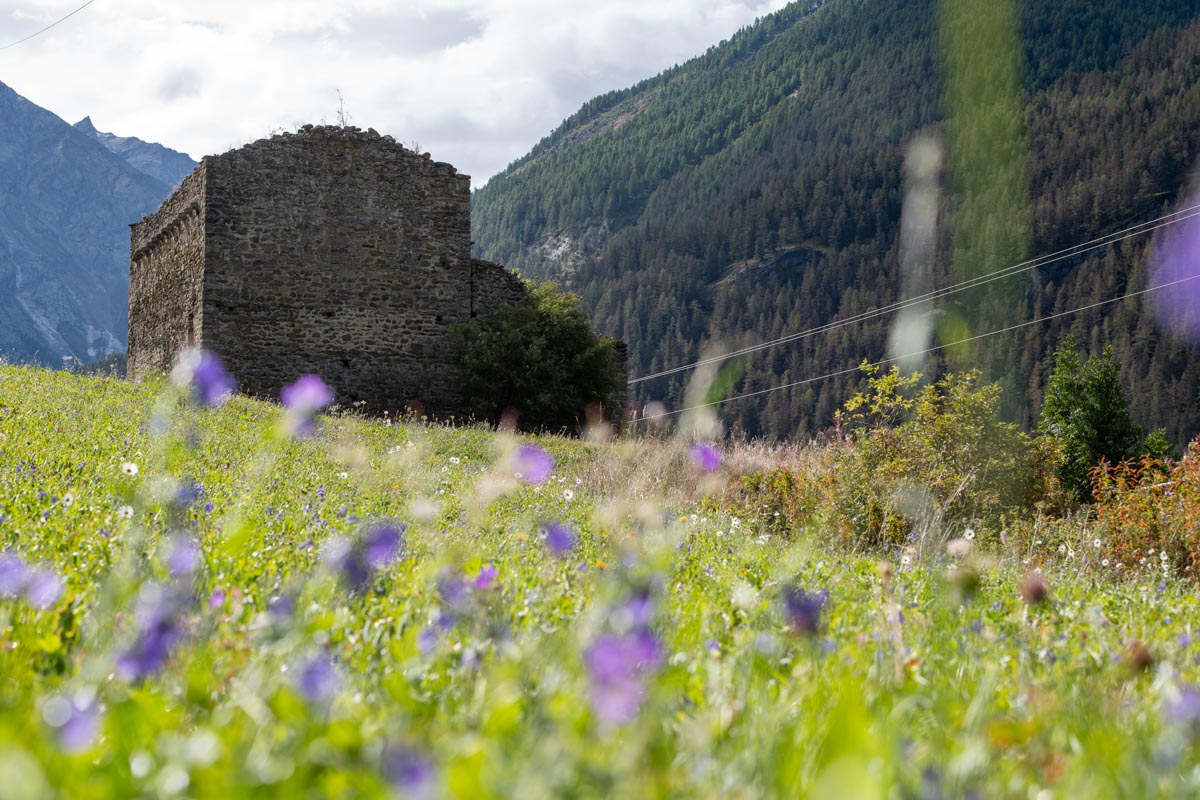
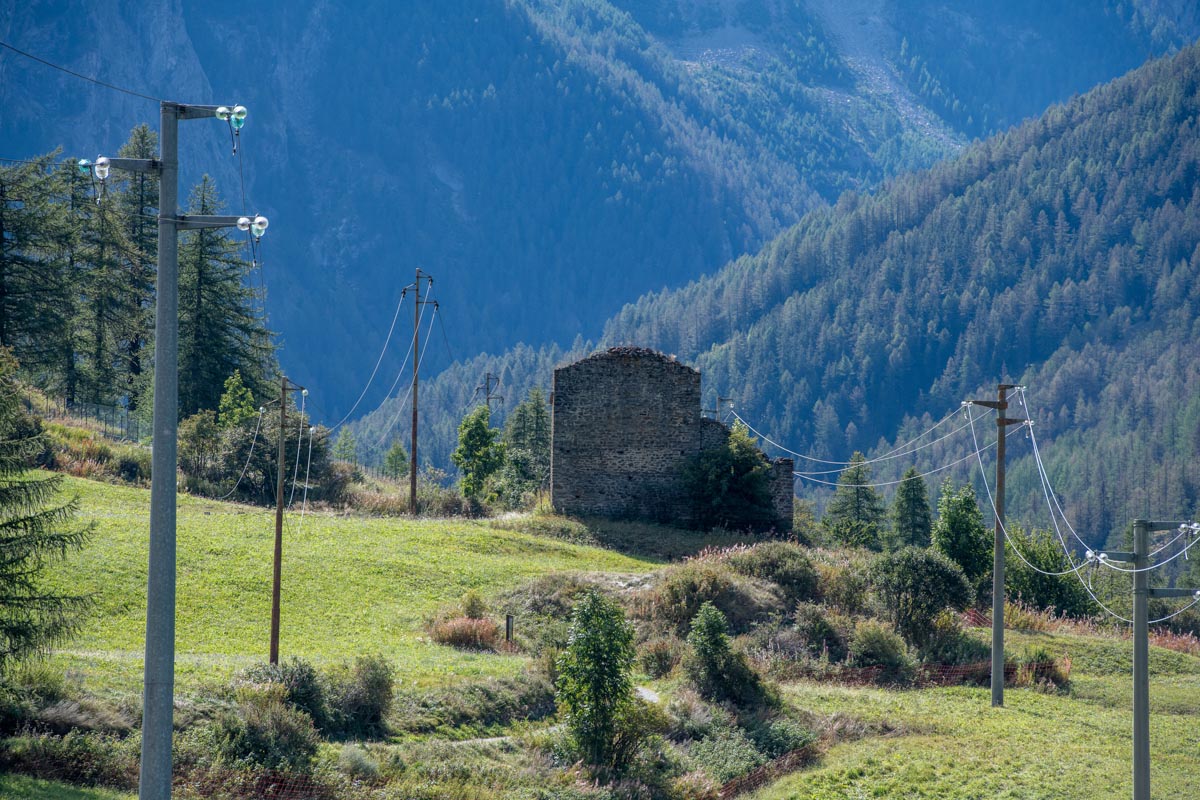
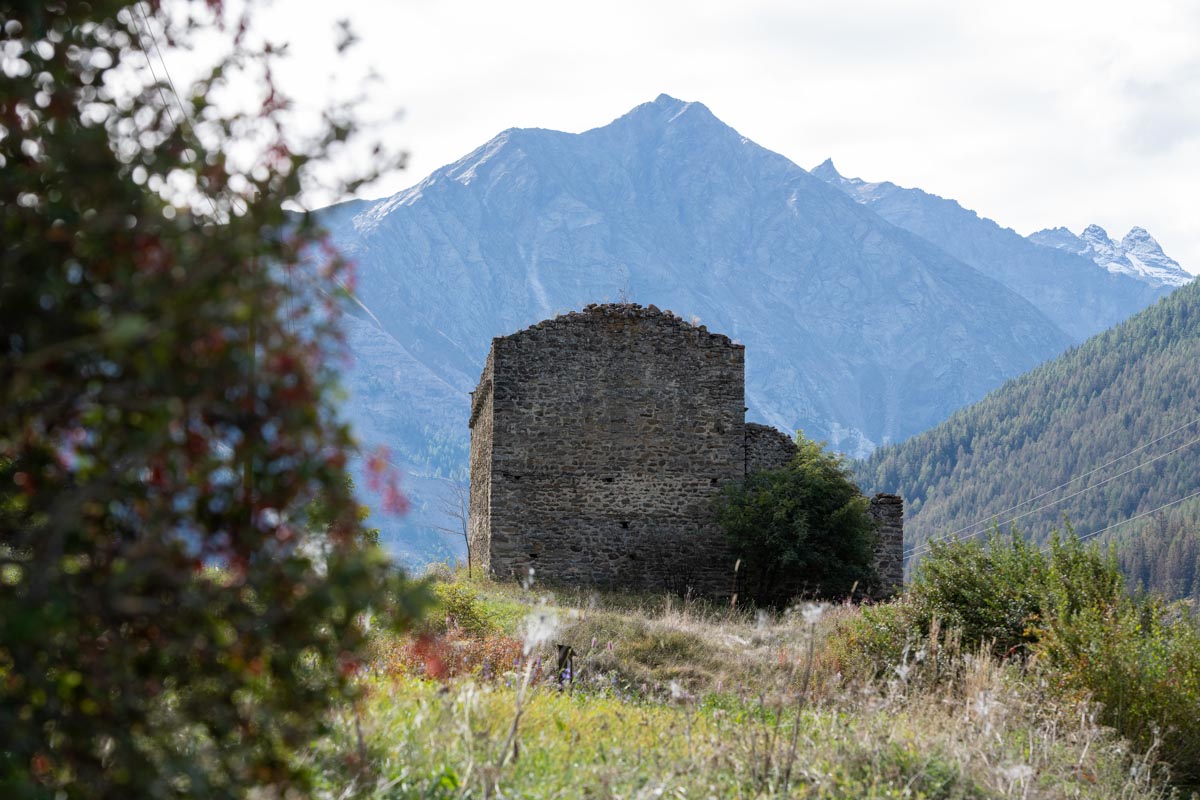
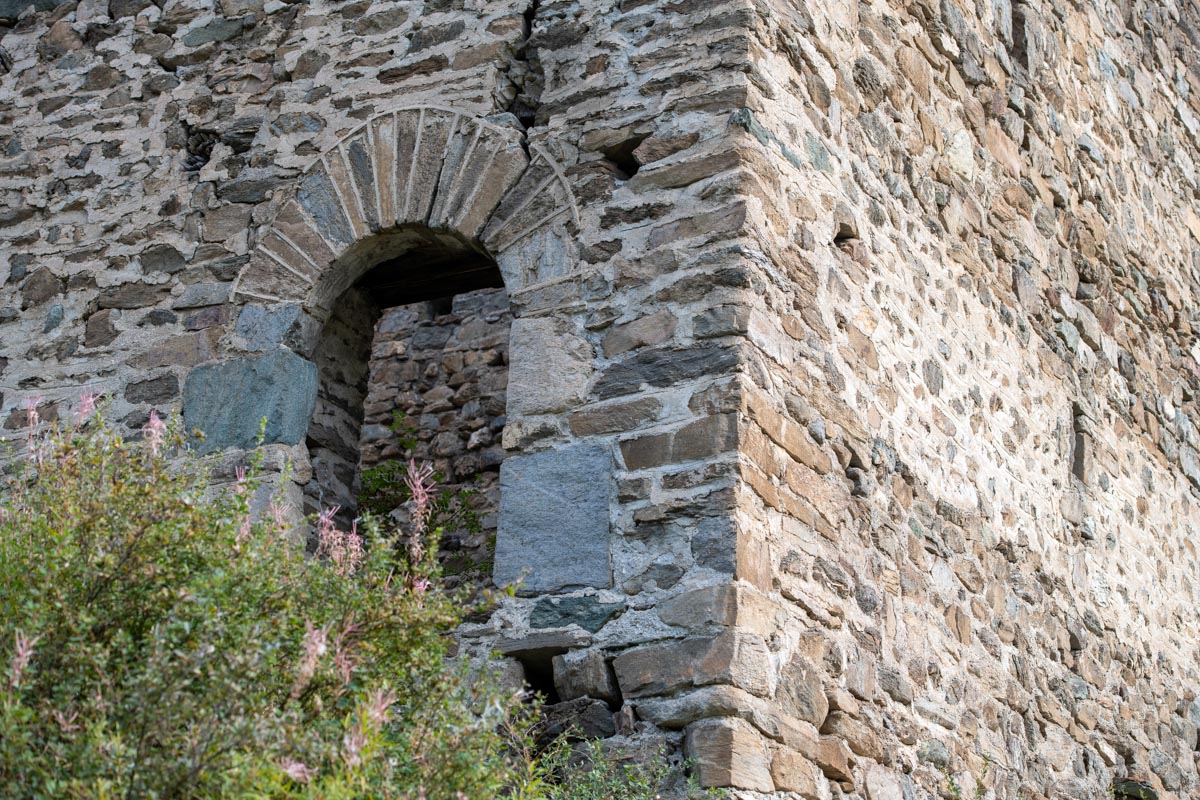
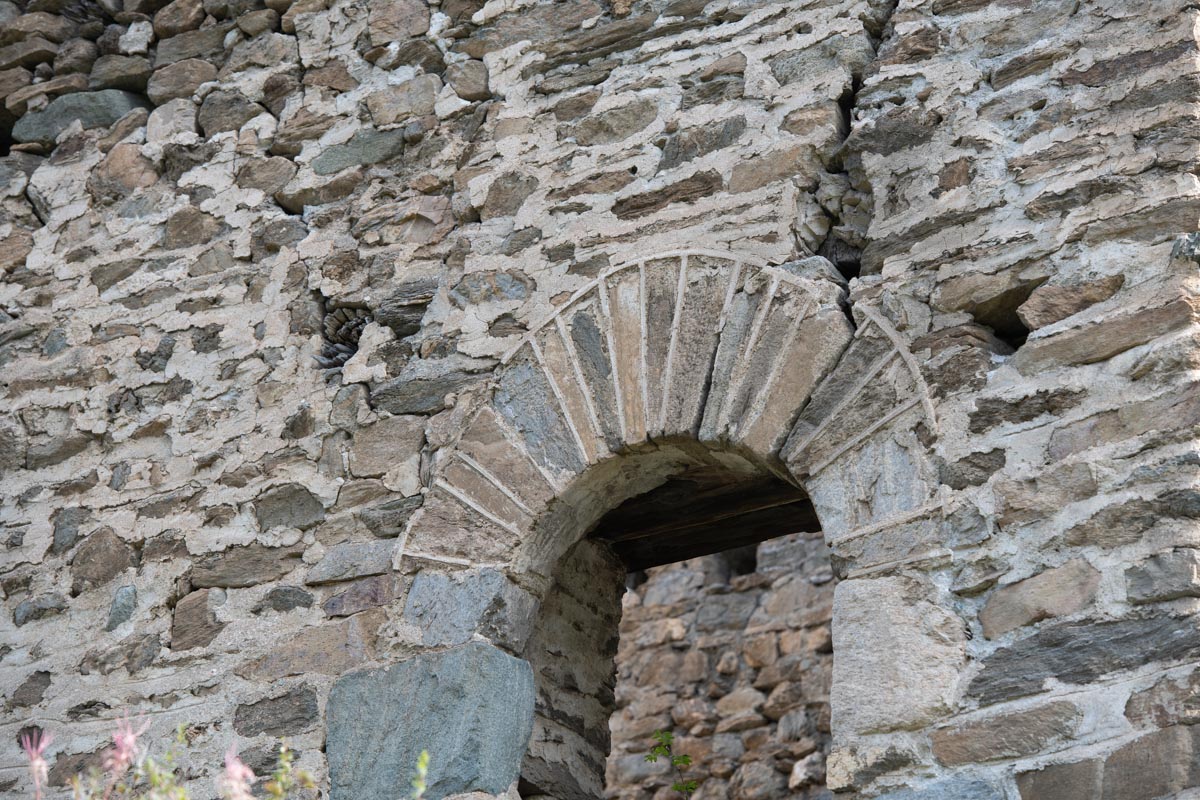
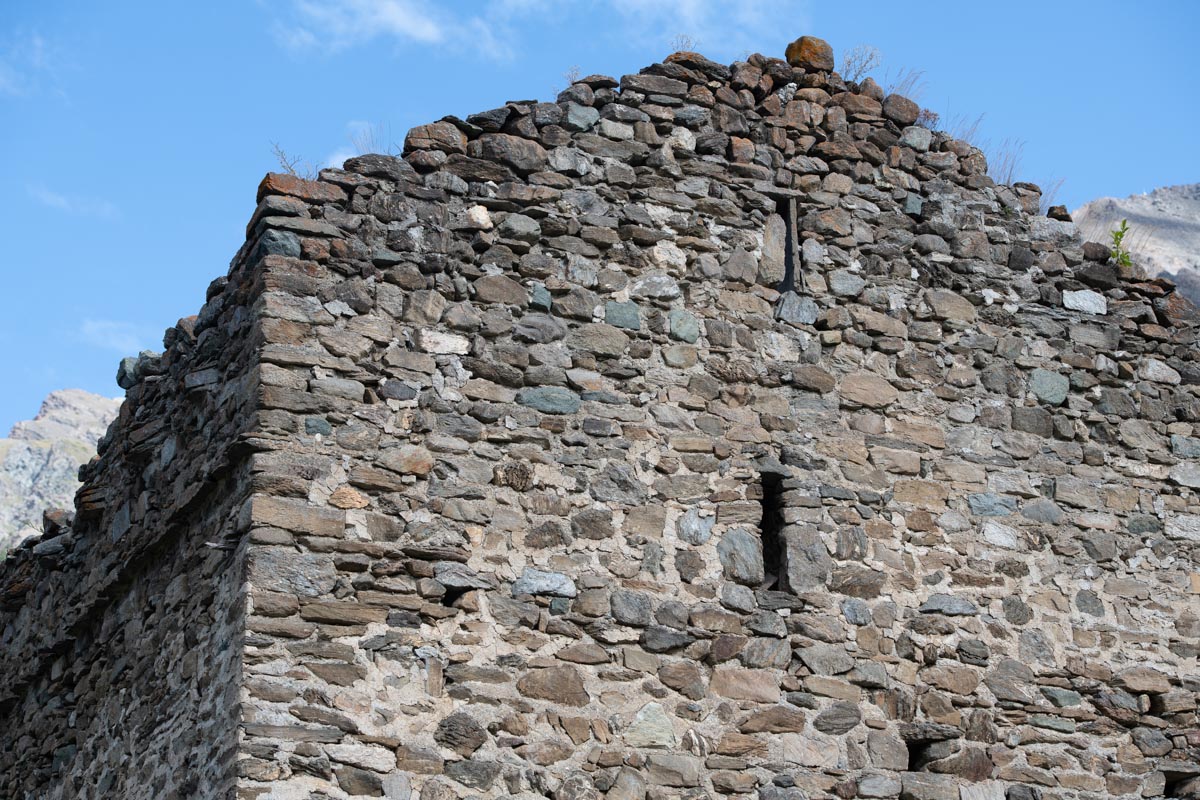
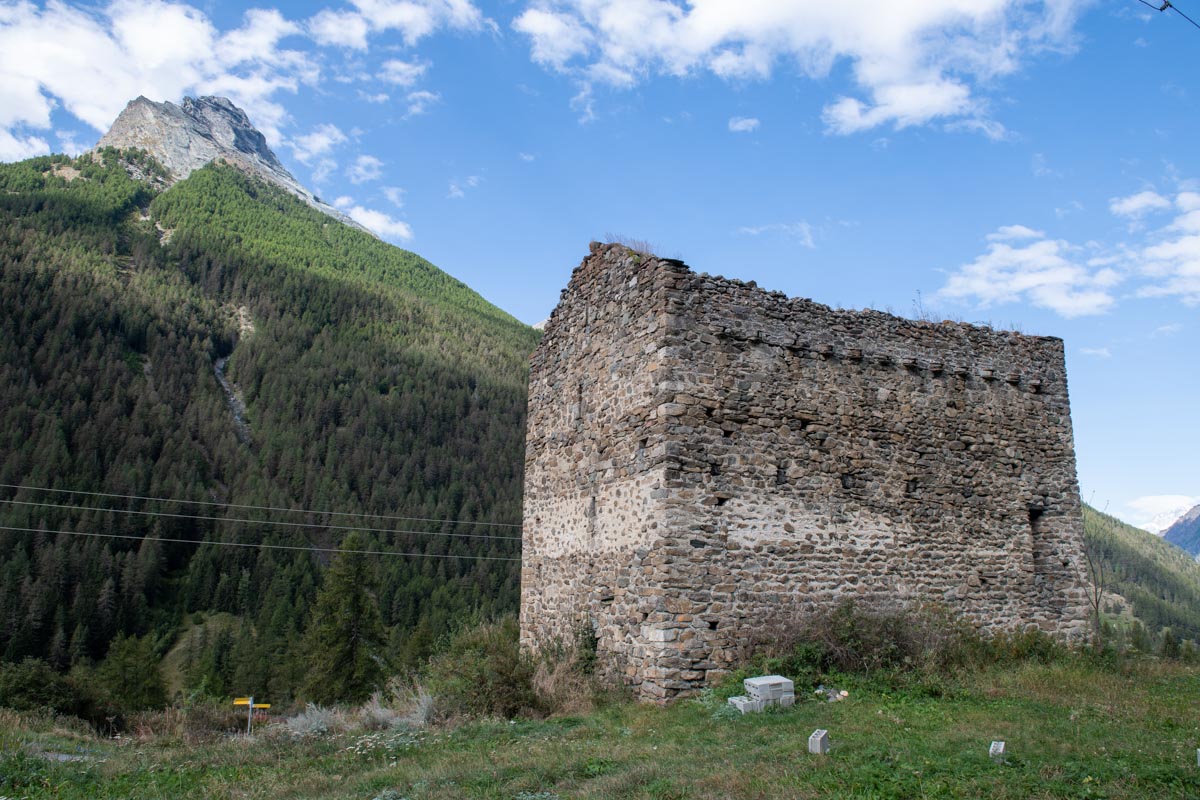
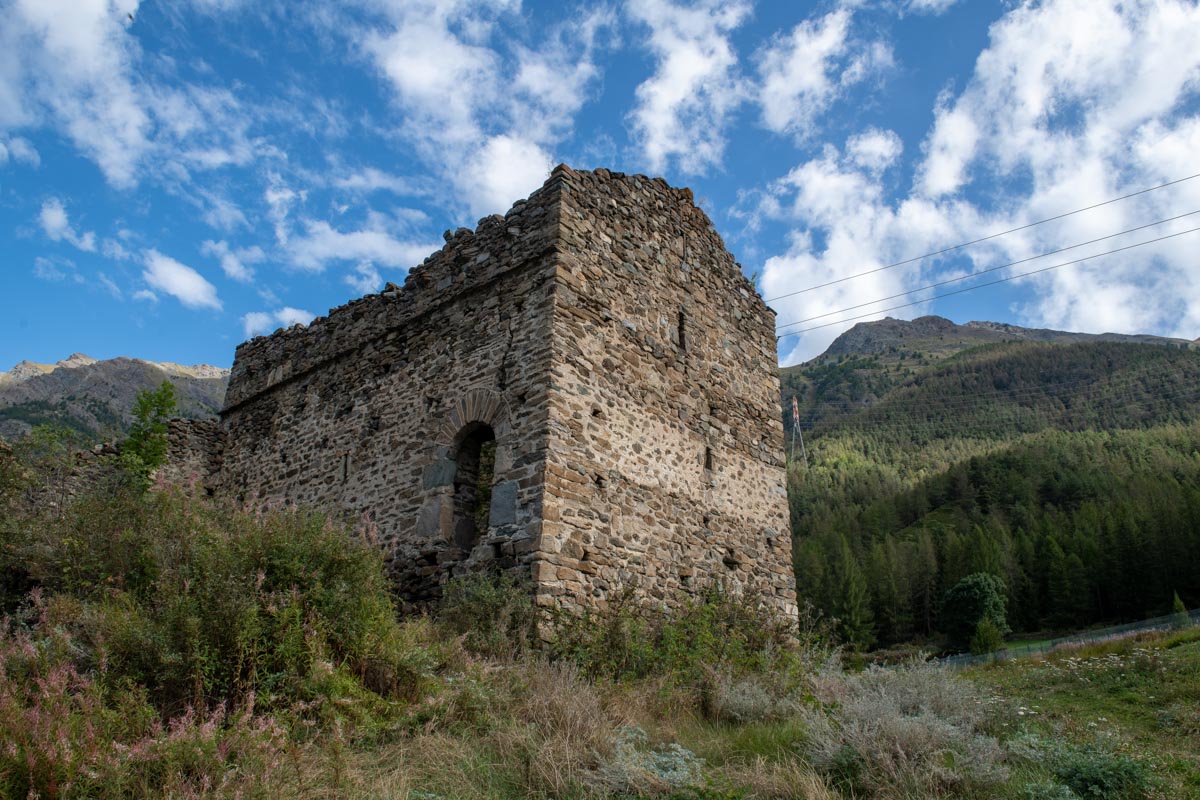
The Tarambel fortified house, or "Tor de Mougne," is a fortification that dates back to 1198. The building, rectangular with loopholes and trapdoors, bears traces of the three inner levels. Southwards is a structure that was once equipped with a sloping roof.
A symbol of the power of the Chésallet nobles of Sarre, the fortified house represents an important local historical record. Once, it was the heart of a settlement whose manufacturing activities characterized the past of a rather flourishing ancient fiefdom. In the 17th century, the village was definitively abandoned, perhaps due to the plague or, more likely, due to a rocky slope coming from the heights above. Remains of houses' walls, under piles of stones, have been found recently.
The village of Tarambel, located east of the manor and along an important and ancient crossroads of streets, included the villages of Mogne and Croix, founded by different families who moved from Sarre and Aymavilles for economic reasons. At the end of the 13th century, the Chésallet nobles ceded their properties to the bishop of Aosta, mainly due to debts, who gave them to the inhabitants of Epinel. At the same time, he also tied the fortified house to the Moni family. The name "Tor de Mougne" comes from them, perhaps linked to the nobles of Aymavilles. In the community of Tarambel, in addition to agro-pastoral activities, activities such as the production of lime and a mill developed, documented by the toponym "Rafor." The remains of an oven, mentioned since the 13th century, are still present.
Photo gallery

Video,
The Fortified House of Tarambel