Mèison di Pitz
Art in paradise

Virtual guides › Art in paradise

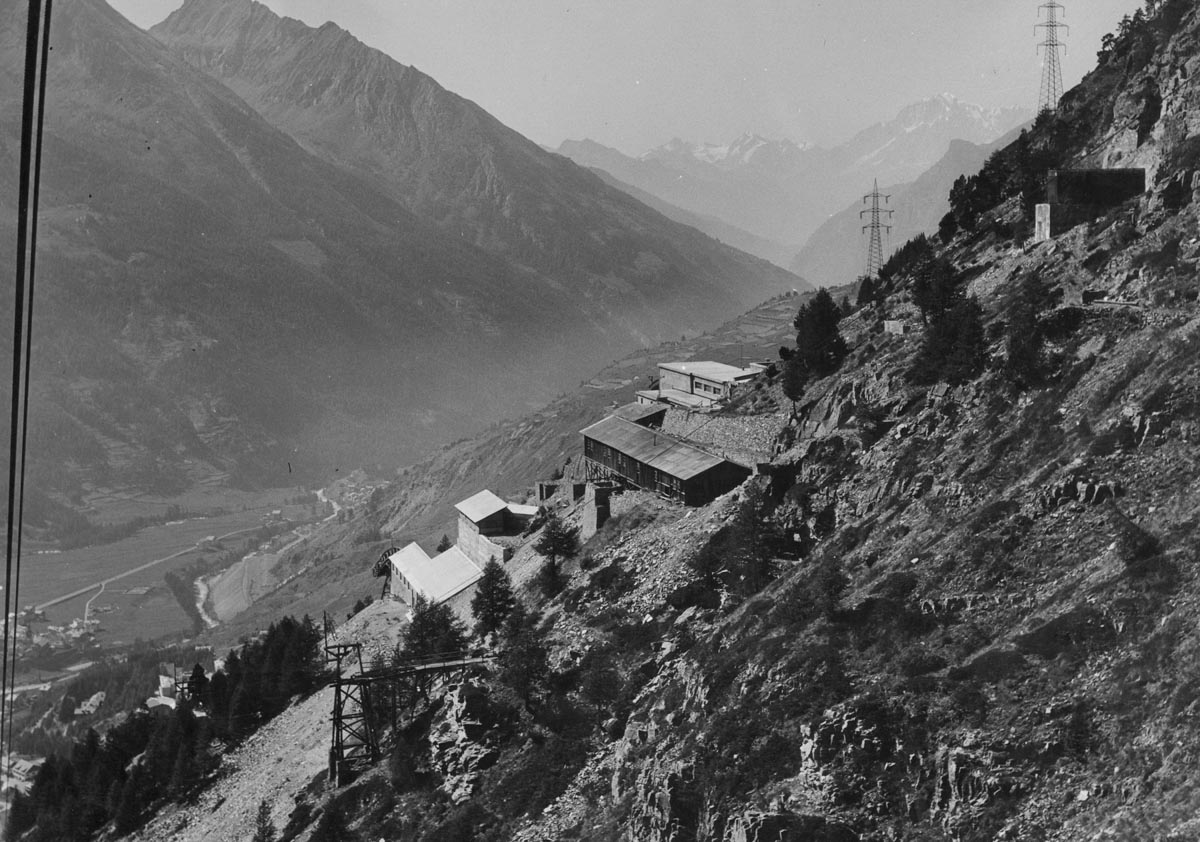
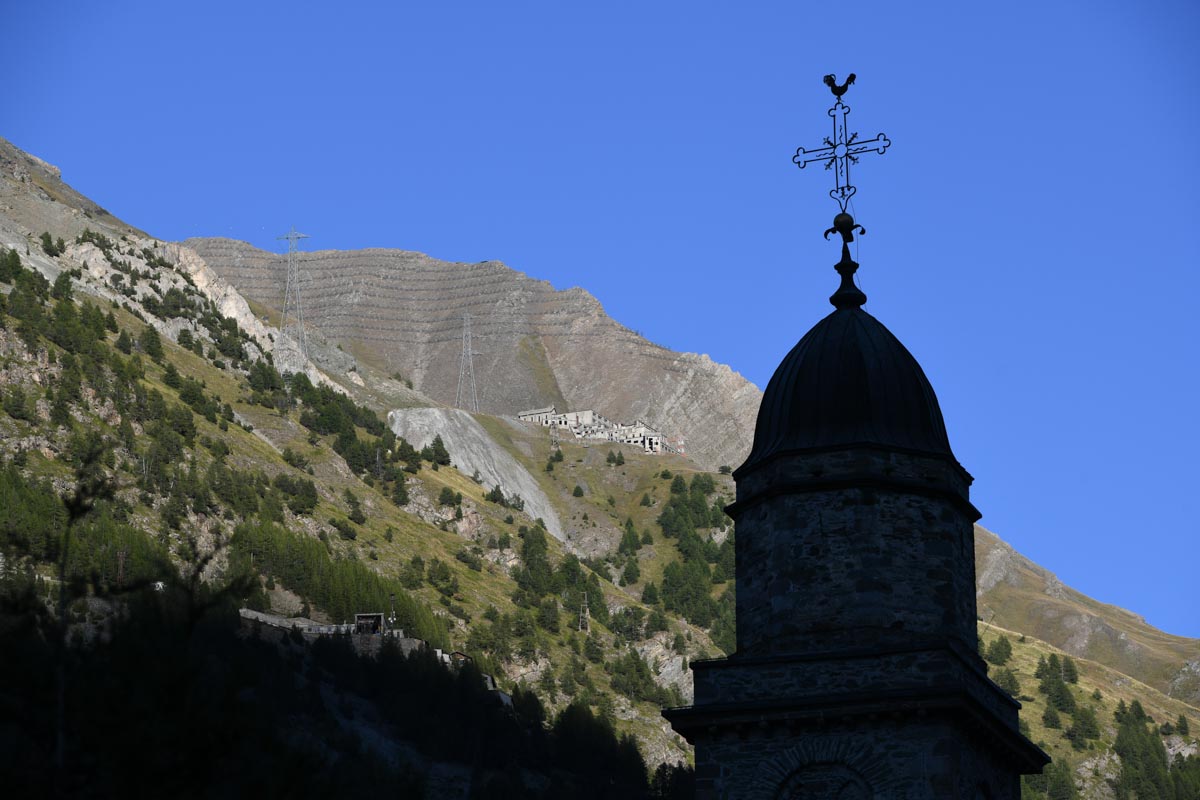
The Cogne magnetite mine, which closed in 1979, was a primary resource in Europe for the quality of the mineral. It significantly influenced the economy and history of the region, representing a pillar in the history of Cogne.
The mine, located on Mount Creya, was in operation since the early 15th century and reached the peak of its great development in the 20th century. For centuries, it was under the control of the Bishop of Aosta and Count of Cogne. Then, in the 17th century, it became the property of the Municipality. César-Emmanuel Grappein (1772-1855), a prominent figure of Cogne, took over the management of the mines, improving their productivity and earnings and resisting external interference. However, the state intervention with the appointment of external directors in the mid-19th century worsened the situation.
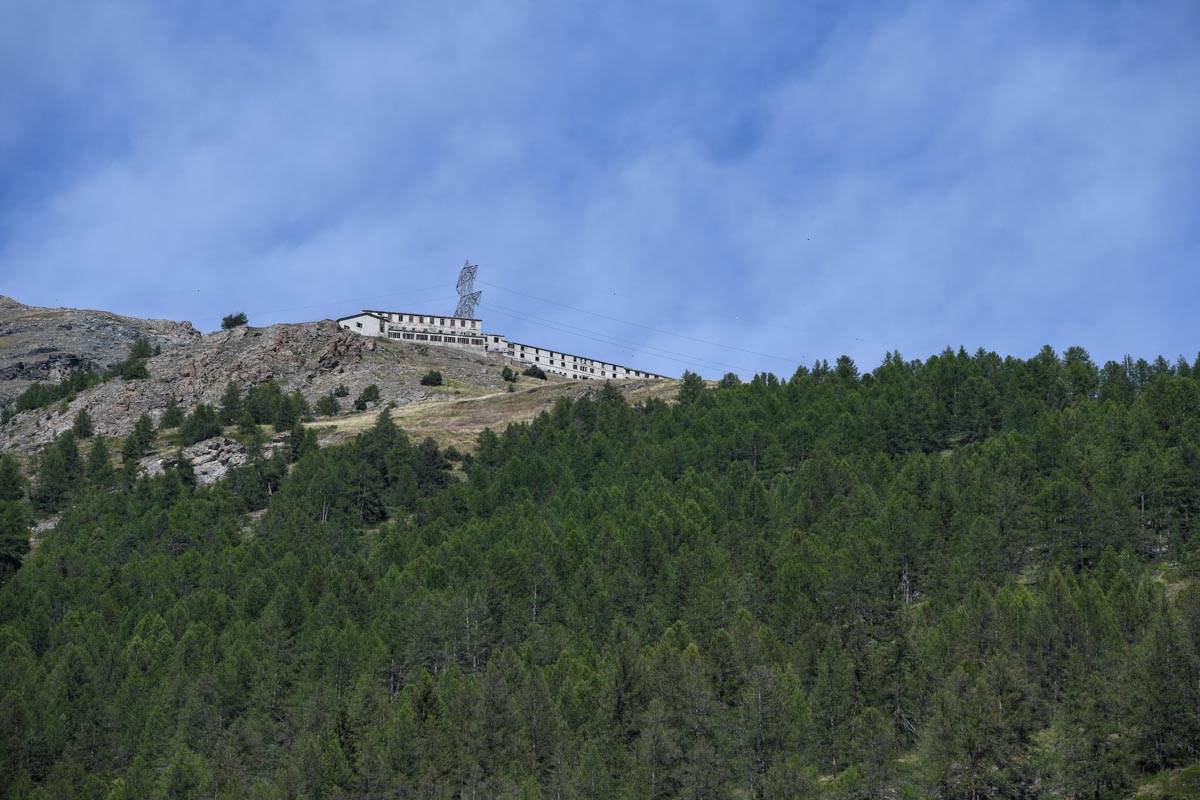
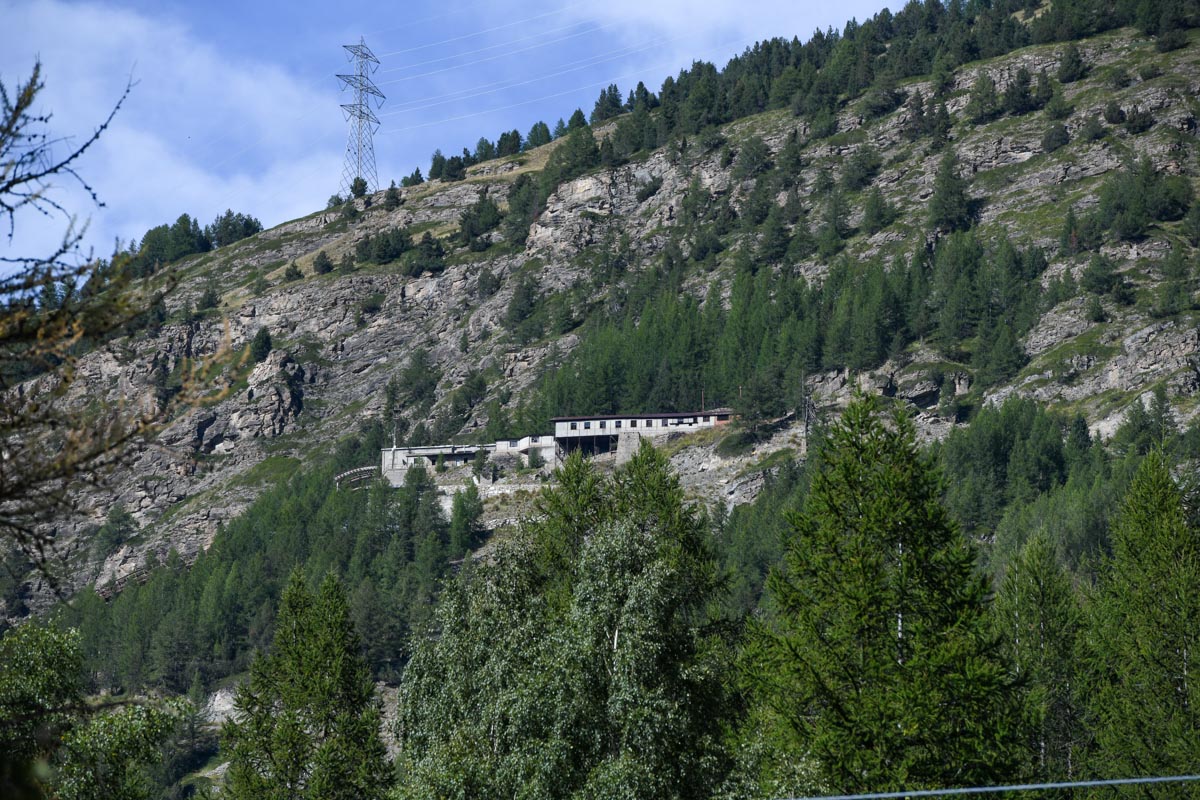
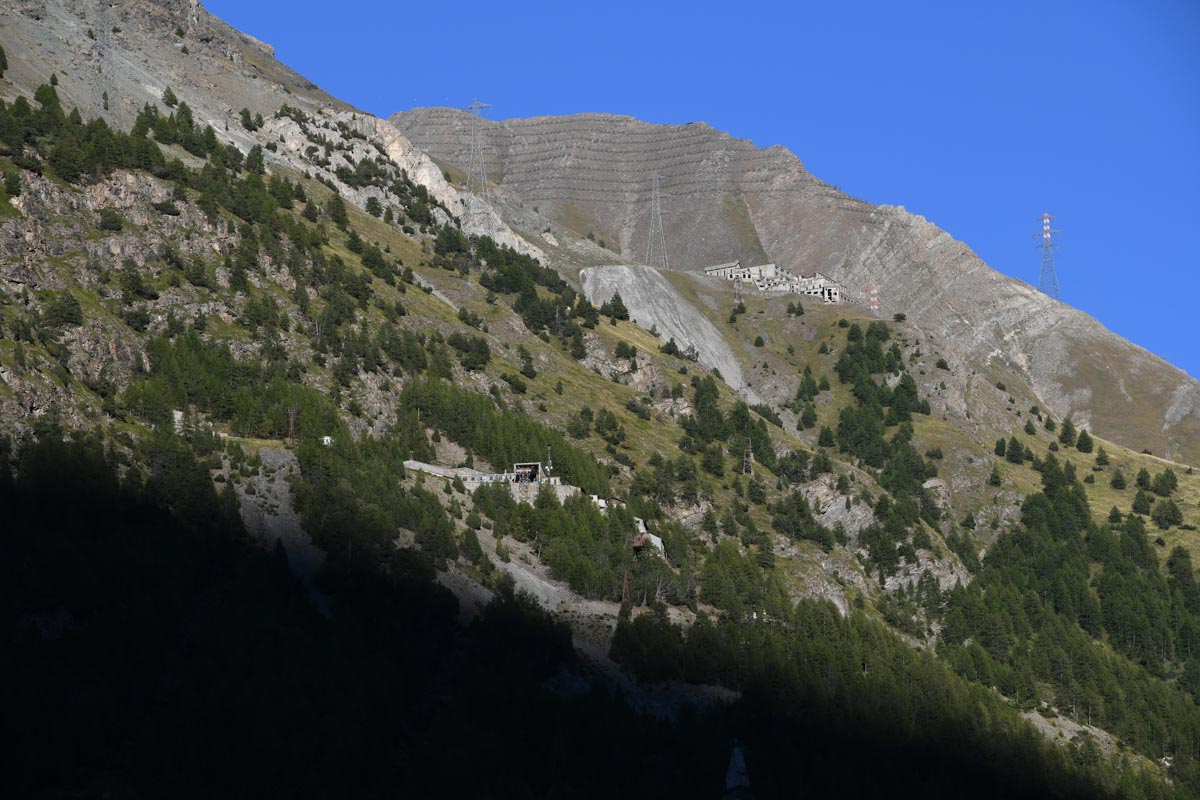
Between ups and downs, the mine survived until the dawn of the 20th century, when a Belgian company managed to buy it from the Municipality of Cogne and gave it an unprecedented boost. The remains of the mining village (2,402 m) and the cableway bear witness to the efforts to modernise the mining activity. In 1922, a tunnel railway connected Cogne to Eaux-Froides (Gressan), facilitating the transport of minerals that reached a cableway and descended to Aosta at the steelworks. Despite the challenges of the two world conflicts, the mine continued to contribute to both war and civilian industries. The complex was abandoned in 1979, but today, you can visit the Costa del Pino site (2,031 m) with expert guides, offering a dive into the world of past mining work.
Photo gallery
Video,
A Panoramic Look at the Mines